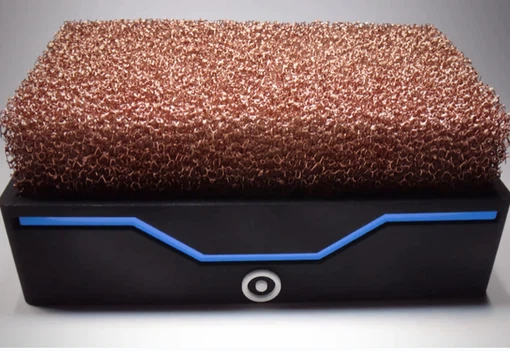
What is Foam Copper?
Foam copper is a metallic foam made from copper, characterized by its open-cell or closed-cell porous structure. This structure gives it a high surface area, low density, and exceptional mechanical and thermal properties. It is manufactured using advanced techniques such as powder metallurgy, electrodeposition, or gas injection, ensuring precise control over pore size and density.
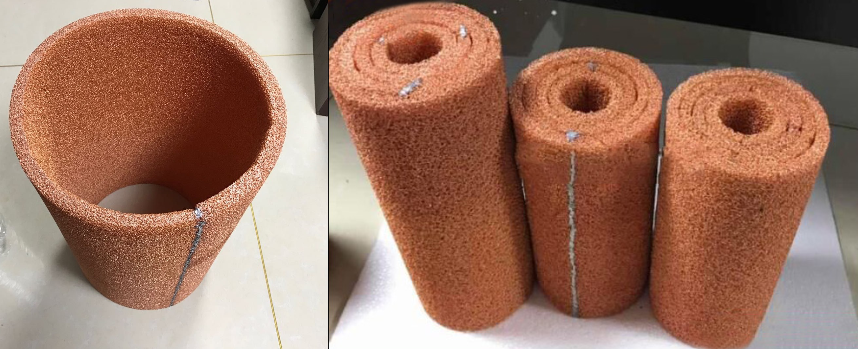
Copper Foam is a game-changing material that bridges the gap between functionality and innovation. Its versatility, durability, and performance make it an essential component in industries ranging from electronics to aerospace. As technology continues to advance, foam copper will play an increasingly vital role in shaping the future of engineering and design.
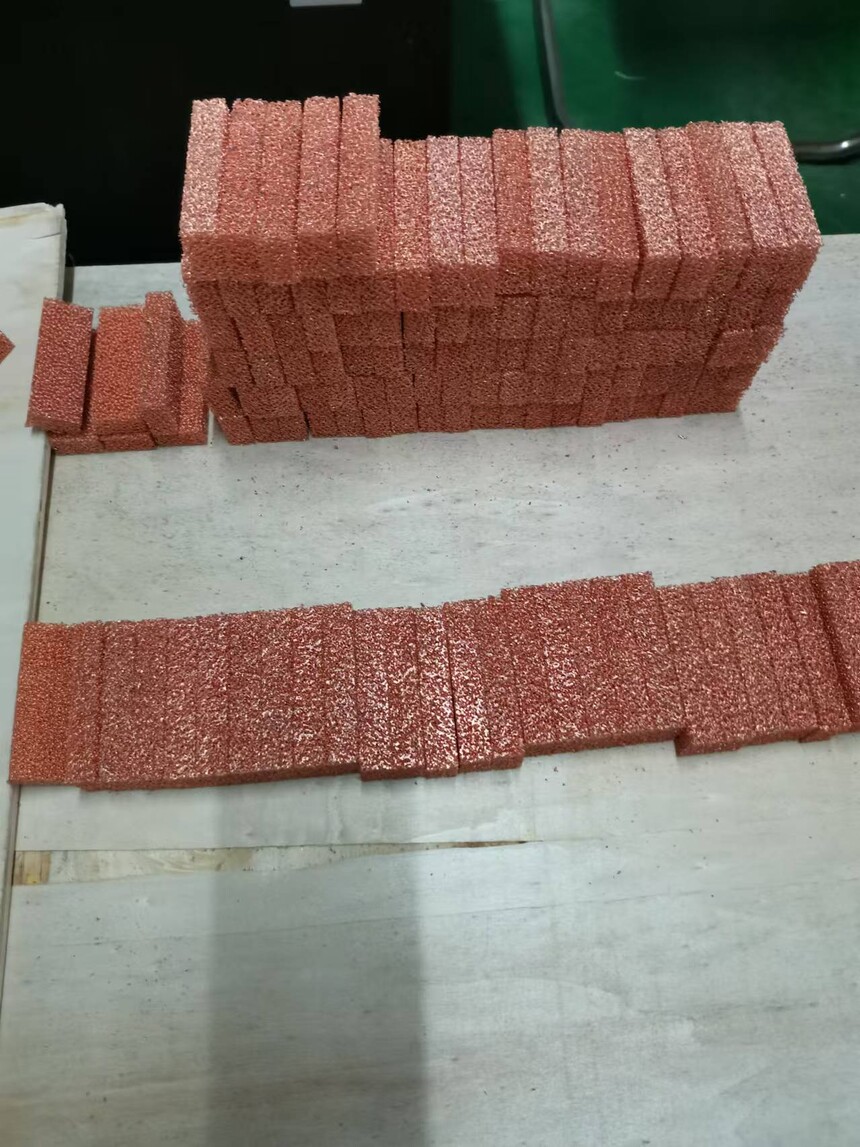
Key Properties of Foam Copper
Lightweight: Its porous structure makes it significantly lighter than solid copper, reducing weight in applications where mass is a concern.
High Thermal Conductivity: Foam copper excels in heat dissipation, making it ideal for thermal management systems.
Excellent Electrical Conductivity: It maintains copper's natural ability to conduct electricity, suitable for electronic and electrical applications.
Energy Absorption: The foam structure absorbs impact energy effectively, providing solutions for vibration damping and crash protection.
Corrosion Resistance: When treated or coated, foam copper offers enhanced resistance to corrosion, extending its lifespan in harsh environments.
Customizability: Pore size, density, and shape can be tailored to meet specific application requirements.
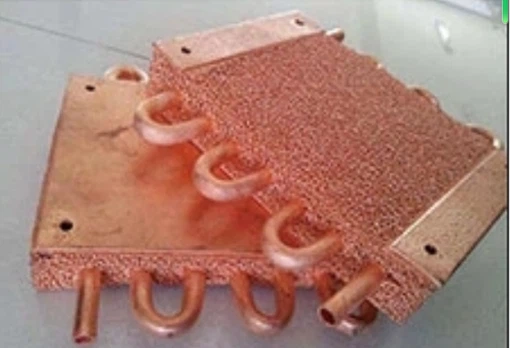
Applications of Copper Foam
Thermal Management:
Copper Foam is widely used in heat exchangers, heat sinks, and cooling systems for electronics, LEDs, and power devices. Its high thermal conductivity and large surface area make it ideal for dissipating heat efficiently.
Acoustic Insulation:
The porous structure of foam copper absorbs sound waves, making it an excellent material for noise reduction in industrial and architectural applications.
Filtration and Separation:
Its open-cell structure allows for effective gas and liquid filtration, including air and water purification systems.
Energy Absorption:
In the automotive and aerospace industries, foam copper is used for crash protection and vibration damping due to its ability to absorb impact energy.
Electromagnetic Shielding:
Copper Foam provides effective shielding against electromagnetic interference (EMI) in electronic devices, ensuring reliable performance.
Catalyst Support:
The high surface area of foam copper makes it an ideal substrate for catalysts in chemical reactions and fuel cells.
Medical Devices:
Its biocompatibility and lightweight properties make foam copper suitable for medical implants and prosthetics.
Architectural and Decorative Uses:
Copper Foam is increasingly used in modern designs for its aesthetic appeal and functional properties.